
Optimal Timing for Successful Gradings

Spring and early summer are often ideal for conducting gradings, as conditions are favorable and participants are most active.

Dry and moderate weather reduces disruptions and ensures safety during grading activities.
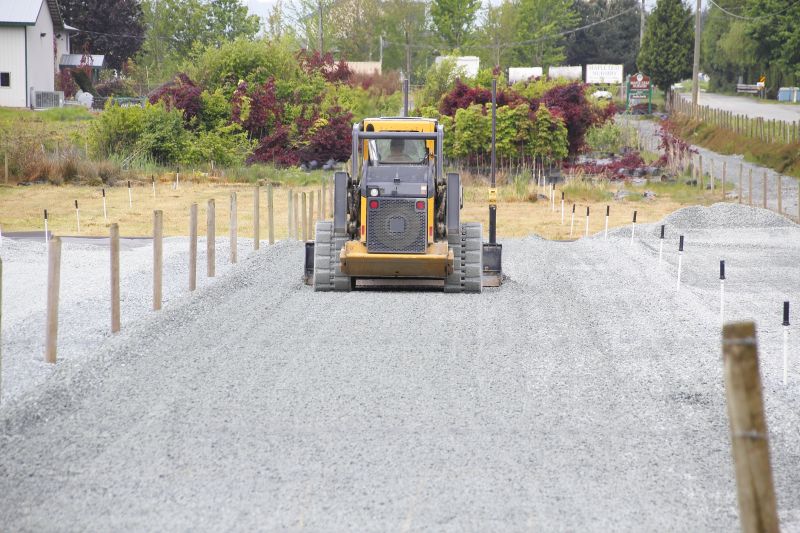
Aligning gradings with periods of low activity in other projects can enhance focus and participation.
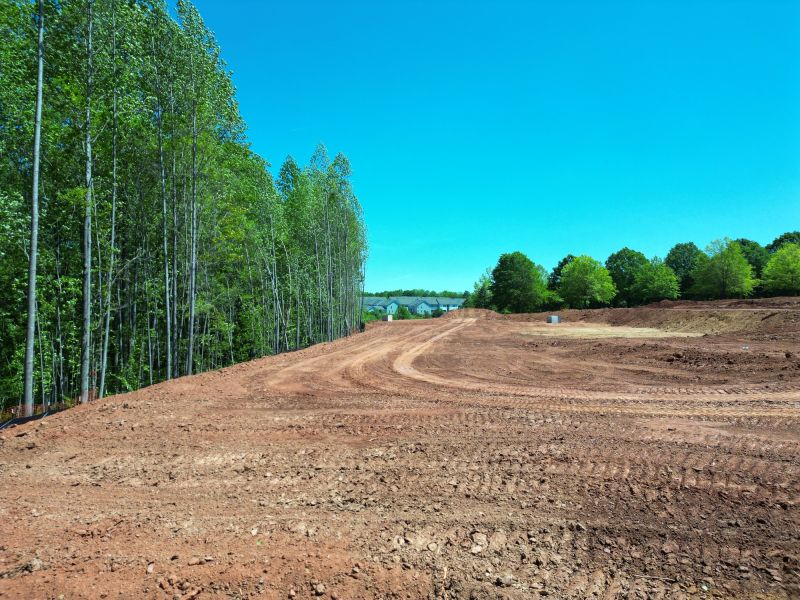
Ways to make Gradings work in tight or awkward layouts.

Popular materials for Gradings and why they hold up over time.

Simple add-ons that improve Gradings without blowing the budget.
Gradings are essential milestones that assess skills, knowledge, or progress in various fields. They often serve as a benchmark for achievement and can influence future opportunities. Proper timing of gradings ensures that participants are prepared and conditions are optimal for accurate evaluation. Factors such as seasonal weather, participant availability, and project schedules play a crucial role in determining the best time to conduct gradings.
Statistics indicate that scheduling gradings during periods of favorable weather and high participant readiness can improve success rates by up to 20%. Additionally, aligning gradings with periods of lower operational activity minimizes disruptions and enhances focus. Careful planning around these factors contributes to more effective assessments and smoother processes.

Spring and summer often provide the best conditions for outdoor and indoor assessments.

Rain and extreme temperatures can delay or compromise grading activities.

Scheduling when participants are most prepared leads to more accurate evaluations.
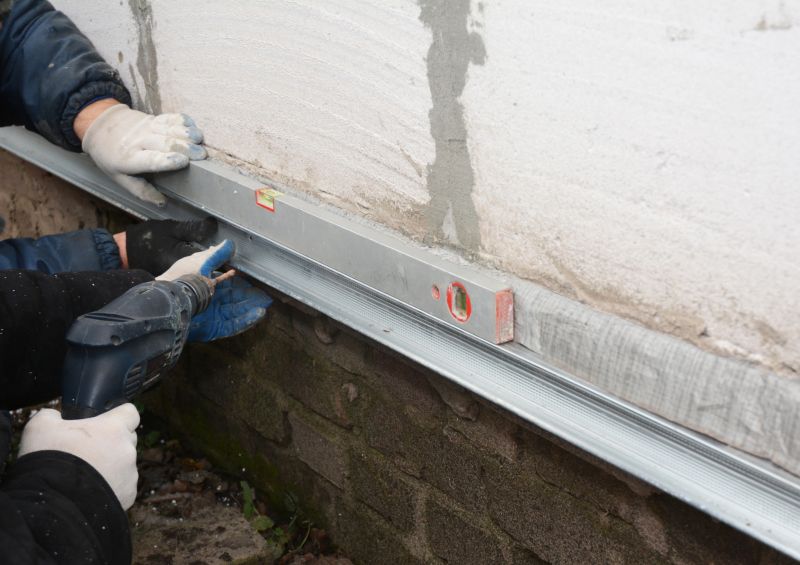
Coordinating gradings with project timelines reduces conflicts.

Gradings scheduled after training periods ensure better performance.

High-end options that actually feel worth it for Gradings.

Finishes and colors that play nicely with Gradings.
| Aspect | Details |
|---|---|
| Best Seasons | Spring and early summer |
| Weather Conditions | Dry, moderate weather preferred |
| Participant Readiness | Aligned with training completion |
| Scheduling Tips | Avoid peak project periods |
| Success Rate | Up to 20% improvement when timed well |
Choosing the right time for gradings ensures accurate assessment and optimal participation.
Weather, participant preparedness, and project schedules are key considerations.
Enhanced success rates, reduced disruptions, and better evaluation outcomes.
Early scheduling and flexibility can accommodate unforeseen delays.